

Security Lights
Reliable Motion and Flood Lighting for Home Protection

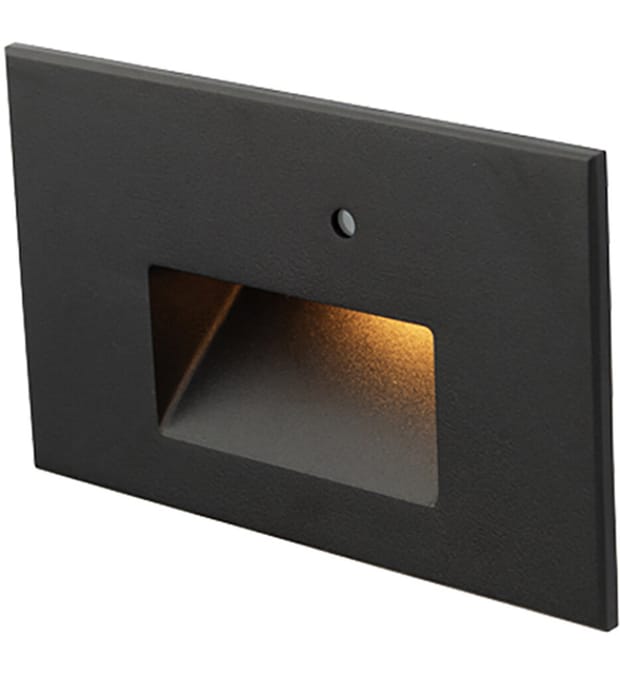


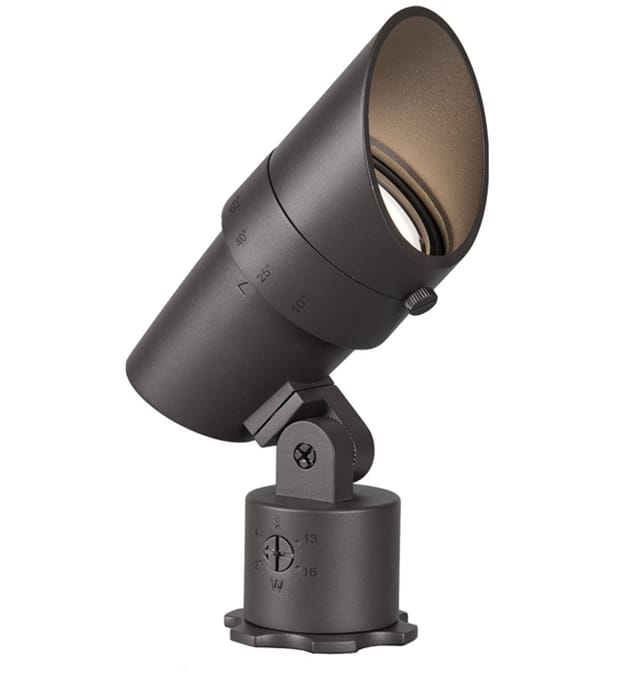
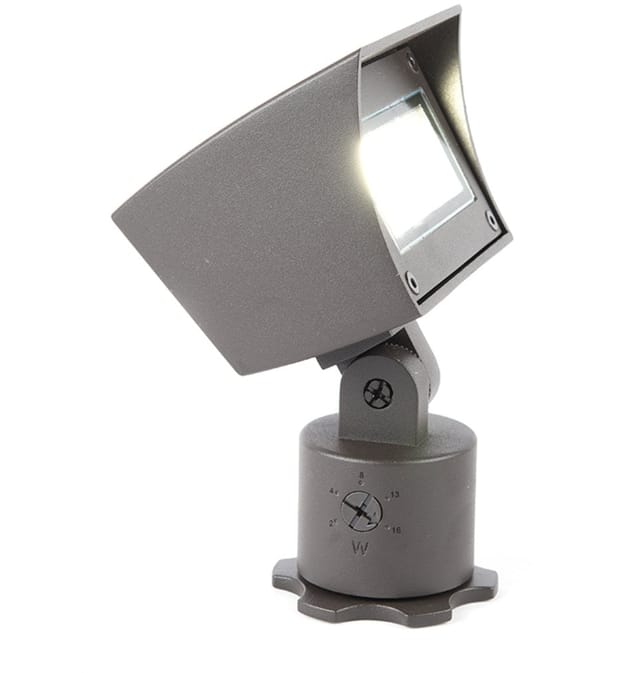


About Security Lights
Security lights show you what's outside before you open the door. Most homes do best with two kinds: steady dusk-to-dawn lights where people arrive, and motion sensor lights on the driveway and side yards. A flood over the drive is typically 1,500 to 3,000 lumens, and a side-yard sensor light 700 to 1,500. Aim every fixture below horizontal so the light stays on your lot.
Buying guides
- Security Lighting GuideFrom the front door to the dark side yard, here's how to pair dusk-to-dawn and motion sensor lights, choose between f...
- Damp vs Wet Rated Lighting GuideA covered porch and an open pergola can sit ten steps apart and still need different fixtures. Here's which moisture ...
- Marine Grade Outdoor Lighting GuideSalt air wears down ordinary porch lights fast. Here's which materials, ratings, and seals hold up on the coast, whic...
- Outdoor Lighting Buying GuideGet the short answer on every outdoor lighting decision, from lantern size and weather ratings to path spacing, salt-...
Types of security lights
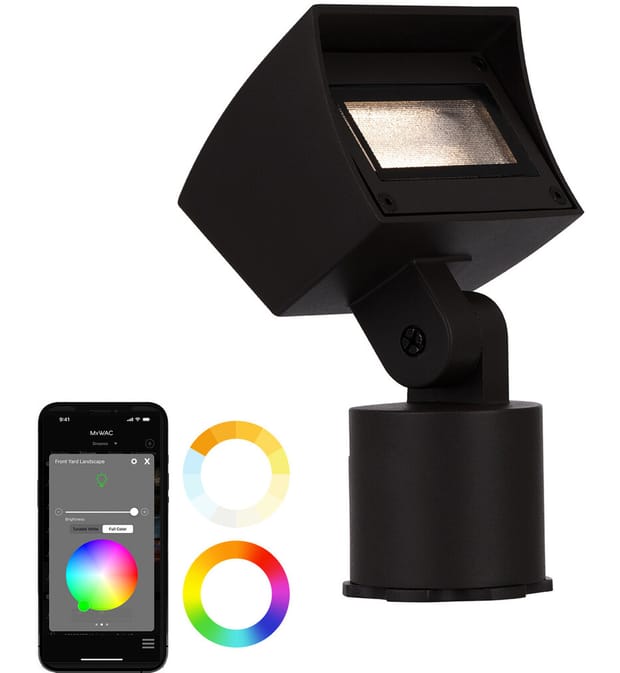
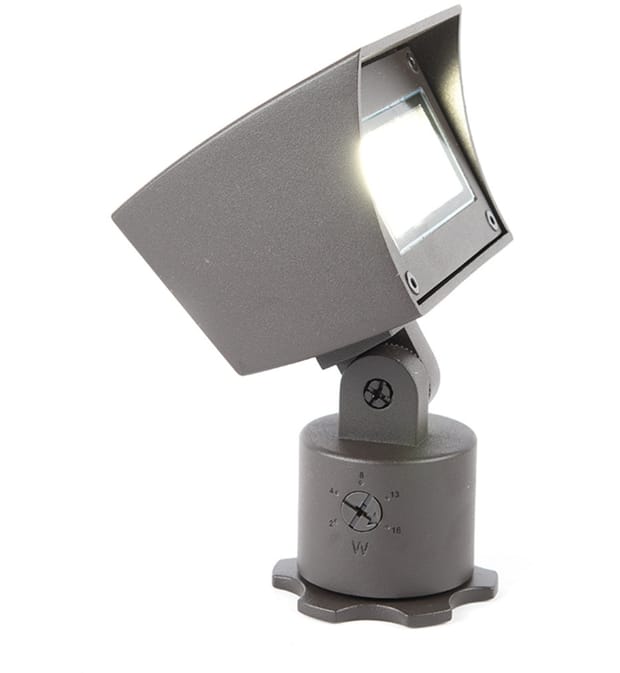
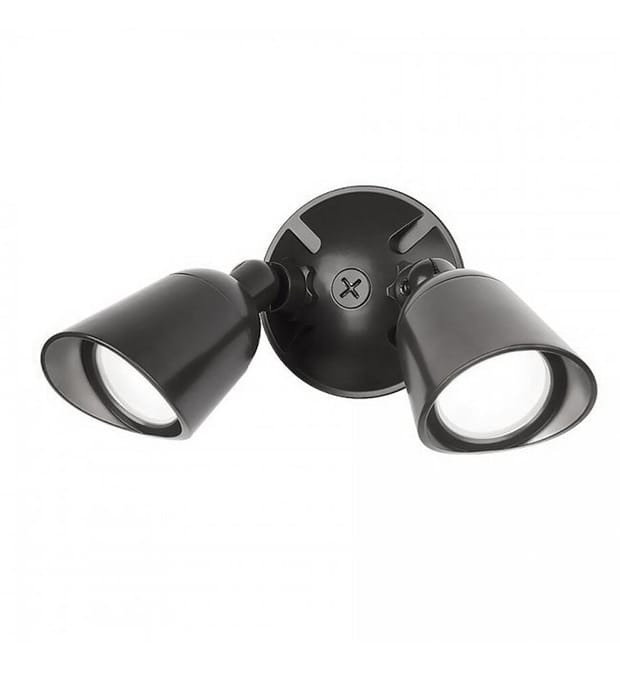
- Flood Lights Twin-head, triple-head and flat panel styles that cover open ground like a driveway or a deep side yard. Most LED versions let you swivel each head, which helps on a tight lot.
- Dusk to Dawn Outdoor Lights A photocell switches the light on at dark and off at daybreak. Steady light where people arrive: the front door, the garage entry, the back landing.
- Motion Sensor Lights Stay off until the sensor detects movement, then light the area for a set hold time. Suited to side yards, gates and the back of the garage.
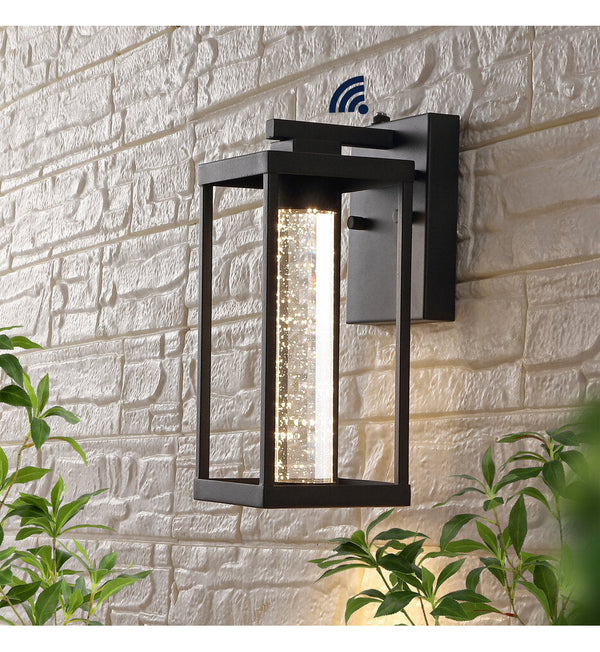
- Sensor Wall Lights Lanterns and sconces with a photocell or motion sensor in the backplate or base. They light faces and the lock at a door and can match the house.
- Dual-Mode Lights Glow at low output all night and jump to full brightness when someone approaches. A good fit at a back door.
How to choose security lights
- Zone Plan front entry, garage and driveway, side yards and the back door separately. Walk around the house after dark and note where you can't see approach paths.
- Control A dusk-to-dawn light gives steady light at entries. A motion sensor light switches on when someone enters its zone. Pairing the two covers both.
- Fixture Put sensor wall lights at doors and floods over open ground. A flood mounted over the front door glares at eye level and can wash out a face.
- Rating Exposed walls and eaves call for a wet-rated fixture. A damp rating suits a covered porch where rain doesn't hit the housing directly. Decide by exposure, not by room.
- Sensor settings Look for adjustable range, sensitivity and hold time. Fixed settings are harder to tune on a tight lot.
- Aim Glare usually comes down to aim. Choose adjustable heads or shielded, downward-facing fixtures if a neighbor's window faces your yard.
Security light placement chart
| Zone | Fixture and control | Aiming note |
|---|---|---|
| Front entry | Decorative wall lights on each side of the door, dusk-to-dawn | Light faces and the lock, not the street |
| Garage and driveway | Twin-head flood above the garage door, motion sensor, typically 1,500 to 3,000 lumens | Angle down toward the drive apron |
| Side yards | Compact flood or sensor wall light, motion sensor, typically 700 to 1,500 lumens | Cover the gate and fence line |
| Back door | Wall light with a built-in sensor, dusk-to-dawn plus motion | Light the steps and landing |
| Mounting height | Floods and sensor lights, often 8 to 10 ft up | Check the spec sheet, since detection range depends on height |
Security light specs explained
- Photocell Reads the light level and switches the fixture on at dusk and off at dawn, so there's no switch to remember.
- Motion sensor Detects movement in a zone and turns the light on. Range, sensitivity and hold time set how far it sees and how long it stays on.
- Lumens More output isn't always better. An oversized flood throws hard shadows just past its edge and glare that makes it harder to see into the yard. Go toward the high end on long drives and wide lots.
- Color temperature 3000K reads as welcoming at the door and blends with most porch lights. Security floodlights often run 4000K to 5000K, which reads as bright white and can feel harsher.
- Power Hardwired fixtures need a junction box at the mounting spot, so plan the location before you buy, and have an electrician install them.
Security light questions
Dusk-to-dawn or motion sensor lights?
Use dusk-to-dawn lights where people arrive, and motion sensor lights in side yards, behind the garage and other low-traffic zones. Most homes get better coverage from both than from either alone. Our Security Lighting Guide shows how to pair them.
Does brighter mean better security lighting?
No. Very bright light creates glare and deep shadows just past the beam. Even, moderate light aimed down shows more of the yard, which is why the right lumen range matters more than the maximum.
How do I keep floodlights from bothering the neighbors?
Aim heads below horizontal, choose shielded or adjustable-head models and narrow the sensor range so the light stays on your property. Then check from the neighbor's side at night and lower any head whose glowing lens you can see. The Security Lighting Guide covers aiming in more detail.
How high should a motion sensor light go?
Many are designed for mounting around 8 to 10 ft high, which gives the sensor a clear view of the ground without pointing the beam into the street. Check the spec sheet, since detection range depends on mounting height.
Should security lights be wet rated?
On an exposed wall or an eave without full overhead cover, yes: water can reach the sensor and wiring on a damp-rated housing. A damp rating suits a covered porch. Our Damp vs Wet Rated Lighting Guide explains the difference.
What should I look for near the coast?
"Marine grade" is a maker's term, so read the listing for the material or finish it names. Standard finishes can pit in salt air. Our Marine Grade Outdoor Lighting Guide compares the options.
Where do post and path lights fit?
They fill in along walkways and the drive but aren't primary security fixtures. The Outdoor Post Lights Guide and Path and Landscape Lighting Guide cover spacing, and the Security Lighting Guide covers the rest of the plan.
