

Landscape Lights
Highlight Gardens and Pathways with Subtle Brilliance




About Landscape Lights
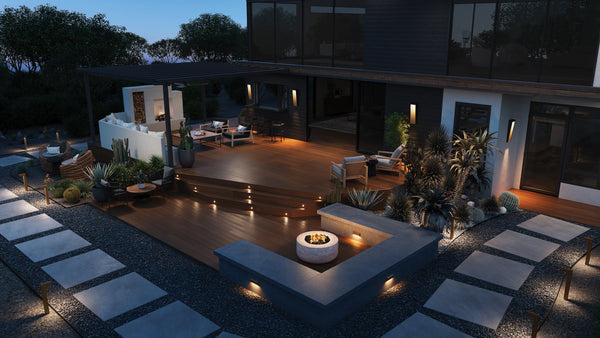
Landscape lights guide people along walks and steps and put a few trees and beds on display after dark. A simple plan: path lights spaced 6 to 8 ft apart, about 100 to 200 lumens each, in 2700K to 3000K warm white, plus a spot or well light aimed at the tree you most want seen. Bollards suit driveway edges and wide walks. Low-voltage systems still need a transformer, so have an electrician handle any hardwired connection.
Buying guides
- Path & Landscape Lighting GuideLight your front walk, steps, and favorite trees without glare or guesswork. Here's how to pick fixture types, space ...
- Damp vs Wet Rated Lighting GuideA covered porch and an open pergola can sit ten steps apart and still need different fixtures. Here's which moisture ...
- Marine Grade Outdoor Lighting GuideSalt air wears down ordinary porch lights fast. Here's which materials, ratings, and seals hold up on the coast, whic...
- Outdoor Lighting Buying GuideGet the short answer on every outdoor lighting decision, from lantern size and weather ratings to path spacing, salt-...
Types of landscape lights
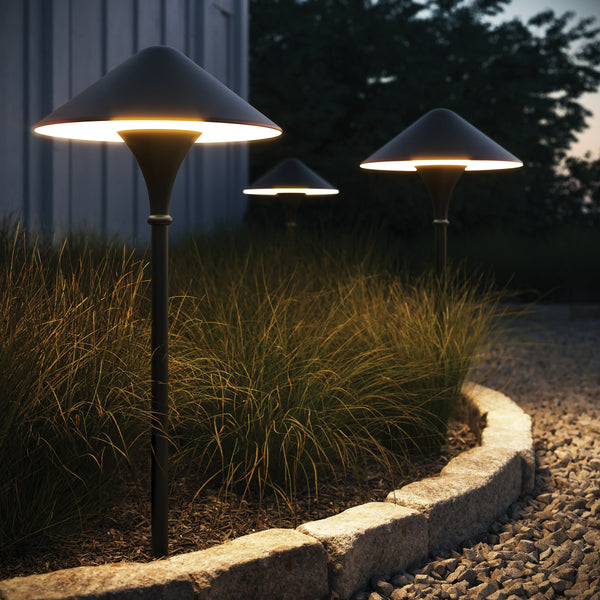
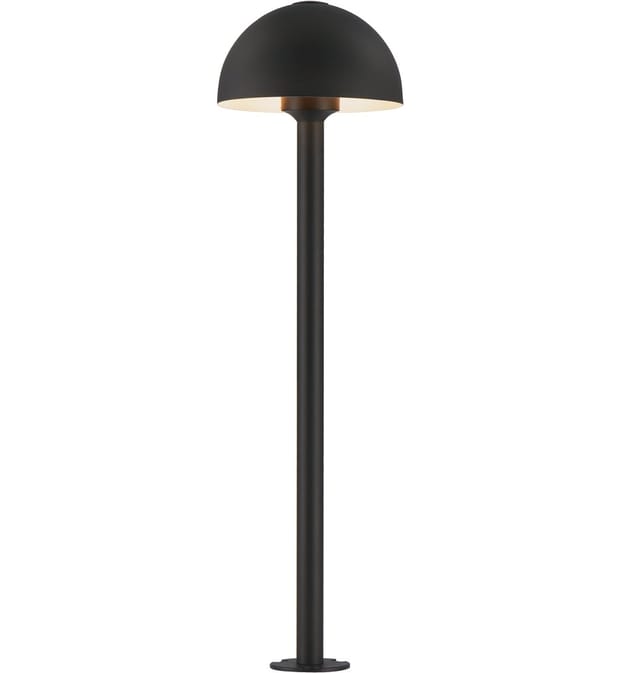
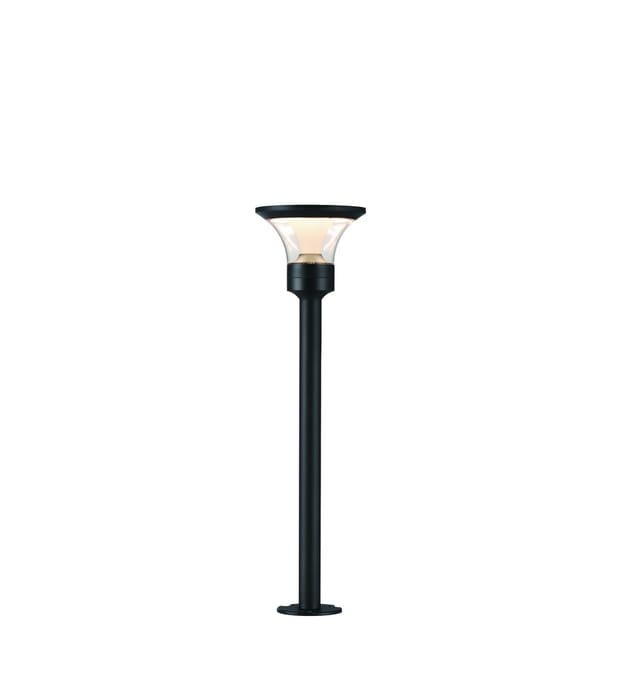
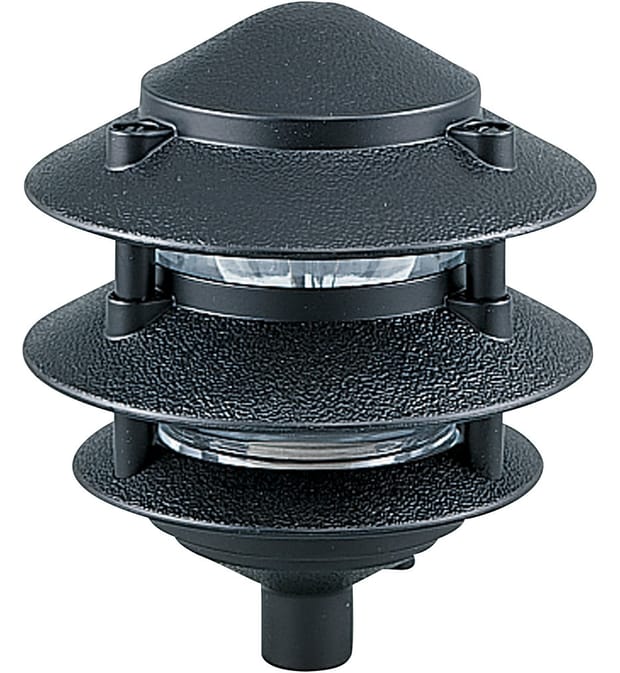
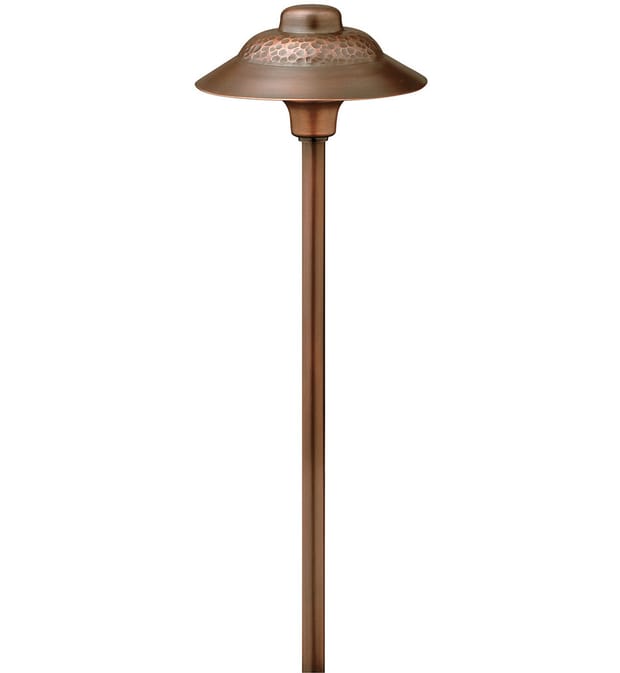
- Path Lights Stake-mounted fixtures, typically 14 to 24 inches tall, with a hat or shade that throws light down and out across the walk. The default for front walks, garden paths and bed borders.
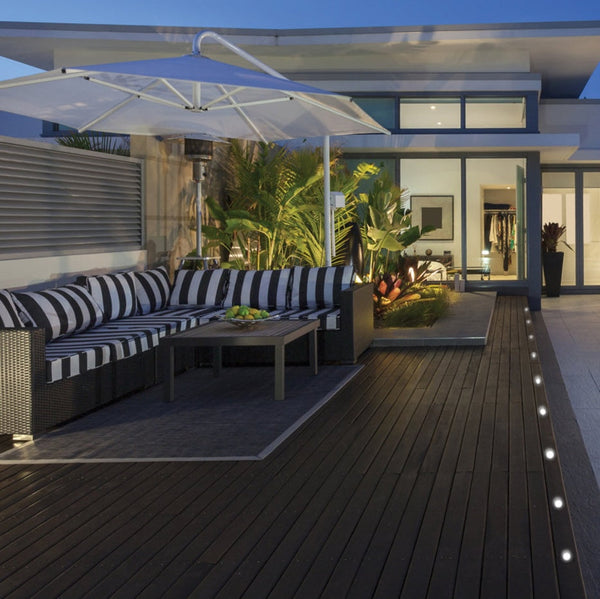
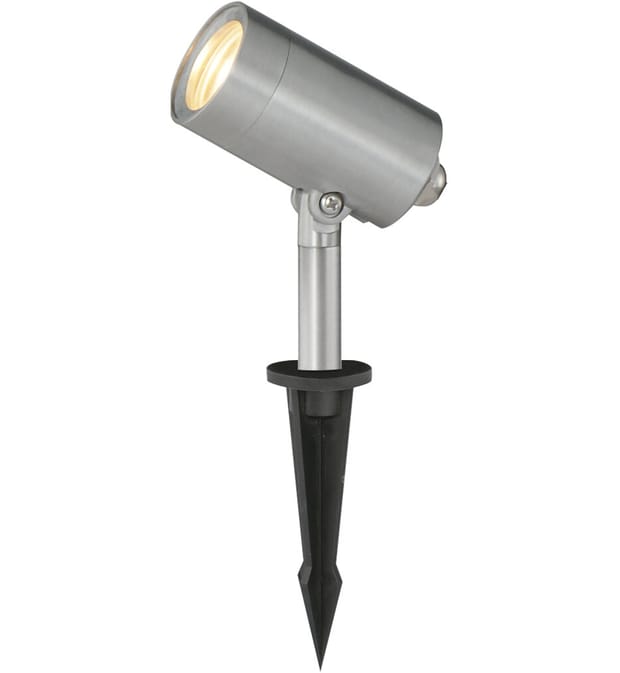
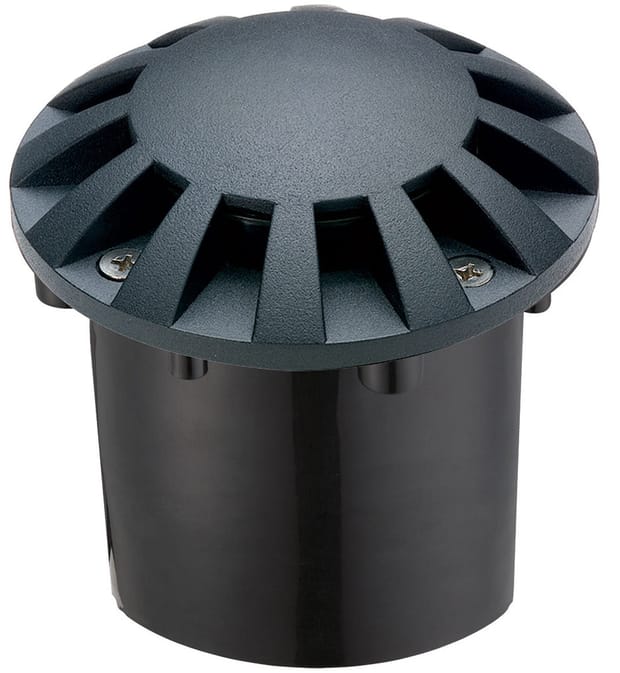
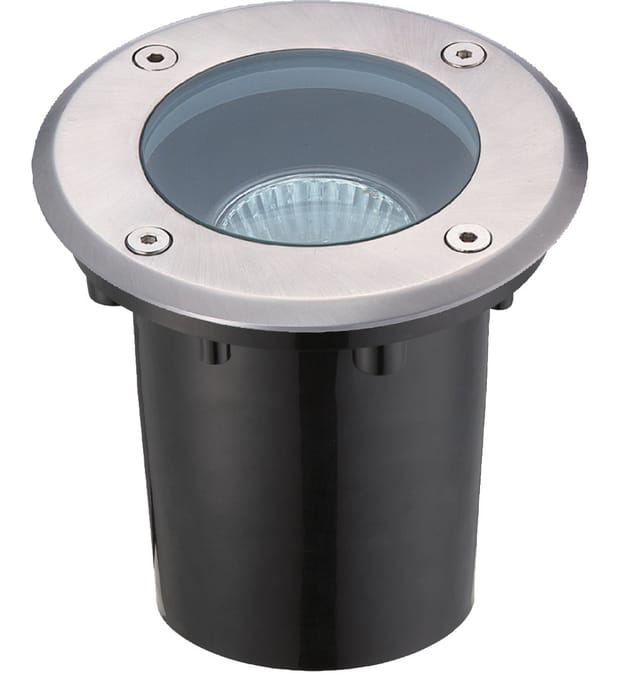
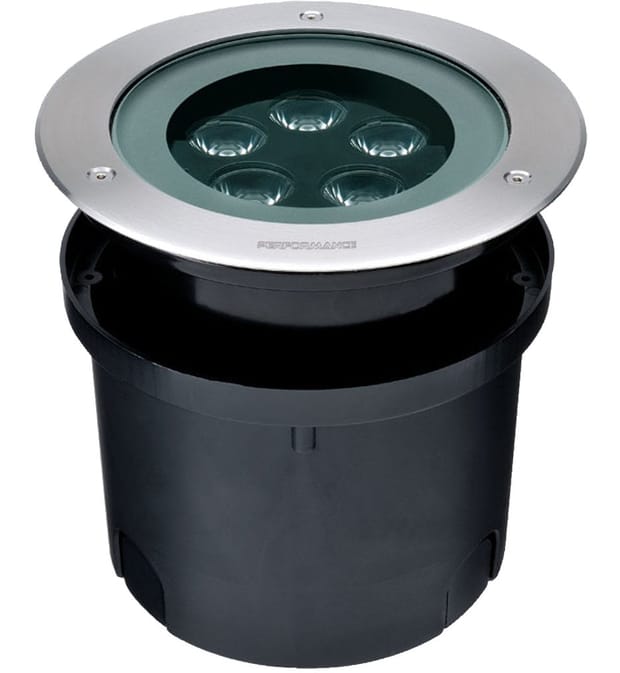
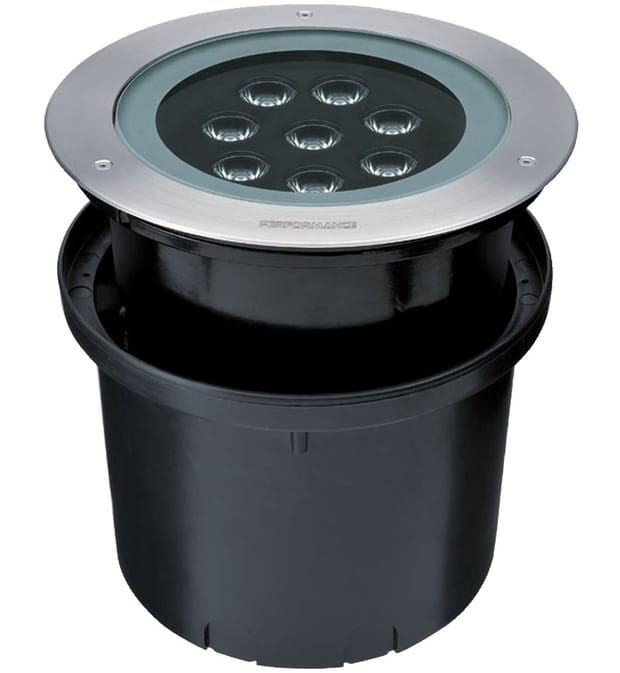
- In-Ground Landscape Lights Well lights sit flush with the ground, hiding the source in lawns and beds. Spot lights sit on a stake with a head you can aim. Check the spec sheet for an in-ground rating, which is a different check from a wet rating.
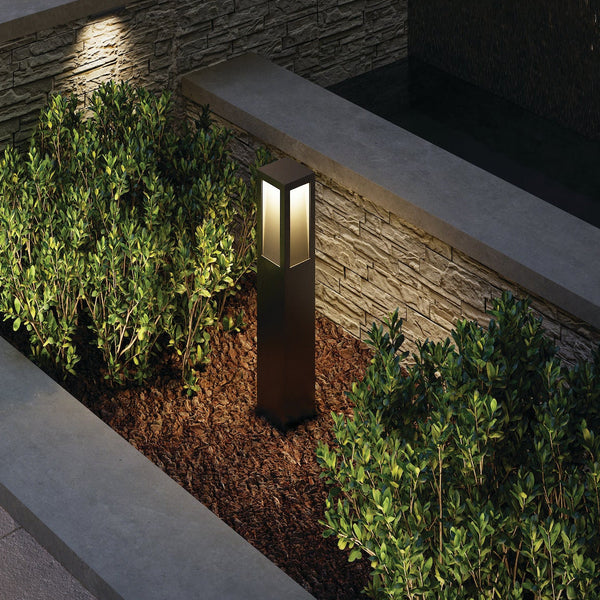
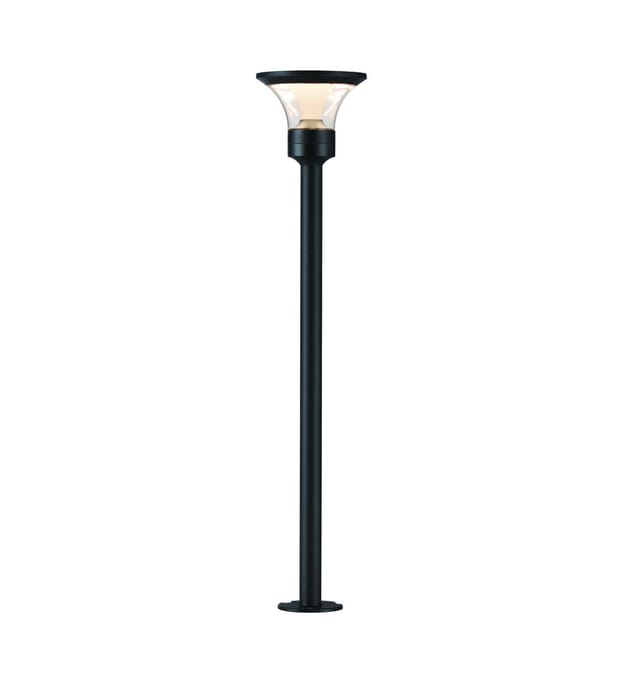
- Bollard Lights Sturdier posts, usually knee to waist height, that spread light in a wider circle. Better for driveway edges and high-traffic walks, where a stake light could get knocked over.
- Step Lights Mount into risers, retaining walls or deck stairs and wash light across the tread. A path light beside the stairs lights the bed, not the edge of each step.
- Spot Lights Stake-mounted heads you can aim, re-aim and move as plantings grow. Lighting a tree from two angles gives it depth.
How to choose landscape lights
- Job Walk the yard at night and note where you hesitate. Use path lights or bollards for walks, step lights for stairs, and spots or well lights for plantings.
- Voltage Low-voltage fixtures run from a transformer on direct-burial cable, which makes it easy to move fixtures as plantings grow. Line-voltage fixtures run on household current and suit long runs. Either way, a hardwired connection is an electrician's job.
- Rating Low and in-ground fixtures sit in sprinkler spray and standing water. Check that each one is rated for its location, and for an in-ground fixture, for in-ground use. Don't assume a wet rating covers it.
- Beam Choose path lights with hoods or louvers that push light down, so you see the walk instead of a glowing bulb.
- Color Stick with 2700K to 3000K for walks, steps and most plantings. Keep one color temperature across fixtures you see together, since mixed whites look like a mistake.
- Controls A photocell or timer switches the system on at dusk, and many transformers build one in.
Landscape light spacing chart
| Where it goes | What to use | Spacing and brightness |
|---|---|---|
| Front walk or garden path | Path lights | 6 to 8 ft apart, staggered on alternating sides, about 100 to 200 lumens each |
| Curved walk | Path lights | Place a light at each bend first, then fill the straight sections |
| Driveway edge or walk wider than about 5 ft | Bollards | A wider spread means fewer fixtures than stake lights |
| Stairs and retaining walls | Step lights | One per step on short runs, every other riser on longer flights |
| Specimen tree | Spot or well lights | Two fixtures from different sides; a large tree often needs 500 lumens or more |
| Shrubs and grasses | Spot lights | About 200 to 400 lumens reads well |
Landscape lighting specs explained
- Setback Set each path light a few inches to a foot back from the edge, so mowers and feet don't clip it and the light lands on the walking surface.
- Finish Salt air, humidity and freeze-thaw cycles are hard on finishes. Choose a finish built for your climate, and near the coast go by what the listing says the material or finish is.
- Light source Integrated LED fixtures are sealed and low-maintenance. Models with replaceable bulbs let you change brightness or color temperature later.
- Transformer Total fixture wattage should sit below the transformer's rated capacity, with headroom for an extra light. On a long run, split the load into shorter runs, since the far lights can dim.
- Brightness Eyes adjust quickly outdoors, so walkway lighting needs less output than most people expect. Overly bright fixtures create glare that makes the path surface harder to read.
Landscape lighting questions
How far apart should path lights be?
For most walks, 6 to 8 ft apart, staggered on alternating sides so the pools of light overlap gently instead of making a lit runway. Tighten the spacing at curves and steps. Our Path and Landscape Lighting Guide has a step-by-step layout.
Path lights or bollards?
Path lights recede into the beds and suit garden paths and front walks. Bollards are heavier and spread light wider, so they suit driveway edges, wide walks and anywhere a car, plow or stray foot could knock over a stake. See the Outdoor Lighting Buying Guide for the whole plan.
Do in-ground lights need a special rating?
Yes. A fixture set in the ground sits in standing water and sprinkler spray, so check its spec sheet for a rating for in-ground use rather than assuming a wet rating is enough. Our Damp vs Wet Rated Lighting Guide explains the ratings.
What color light is best for a path?
Warm white, 2700K to 3000K. It flatters brick, stone, wood and plantings and looks welcoming from the street. Cooler light can look clinical on a path, so keep one color temperature across fixtures you see together.
Spot lights or well lights for trees?
Spots suit trees in beds you rework, since you can re-aim them as the tree grows. Well lights suit trees in lawns, where an above-ground fixture would be a mowing hazard. Large trees often look best lit from two angles.
Can I put in a landscape lighting system myself?
A low-voltage system uses a transformer, and anything wired to a household circuit should be handled by an electrician. Lay the fixtures out and test them at dusk before you bury any cable. The Path and Landscape Lighting Guide covers planning.
Which finish holds up near the coast?
"Marine grade" is a maker's term, so check what the listing says the material or finish is. Our Marine Grade Outdoor Lighting Guide compares the options.
