






About Lamps
A lamp is the easiest lighting change you can make. It usually just plugs into an outlet, with nothing to wire. It puts light exactly where you sit, read or work, like the end of the sofa on a winter evening, which a ceiling fixture can't do. Most rooms look better with at least three sources of light at different heights, and lamps are how you get there.
Types of lamps
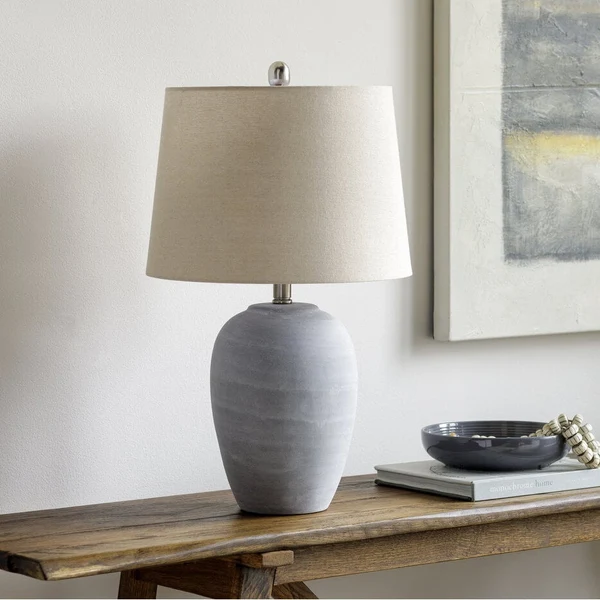
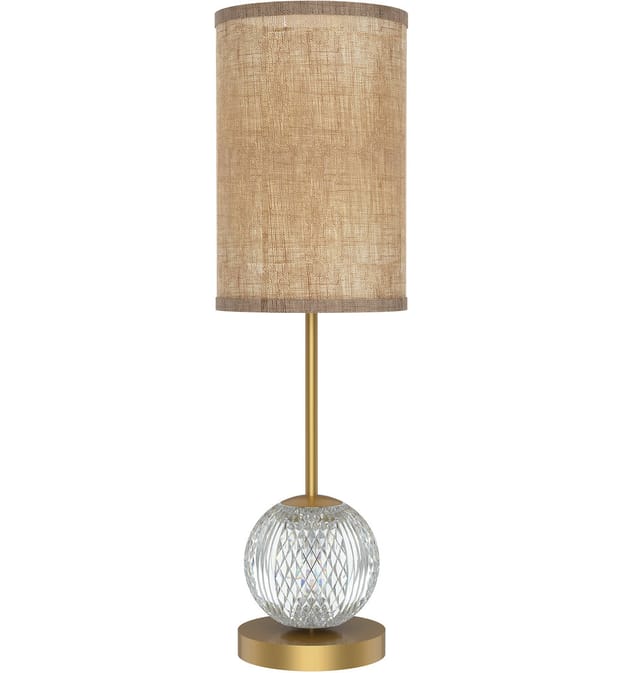
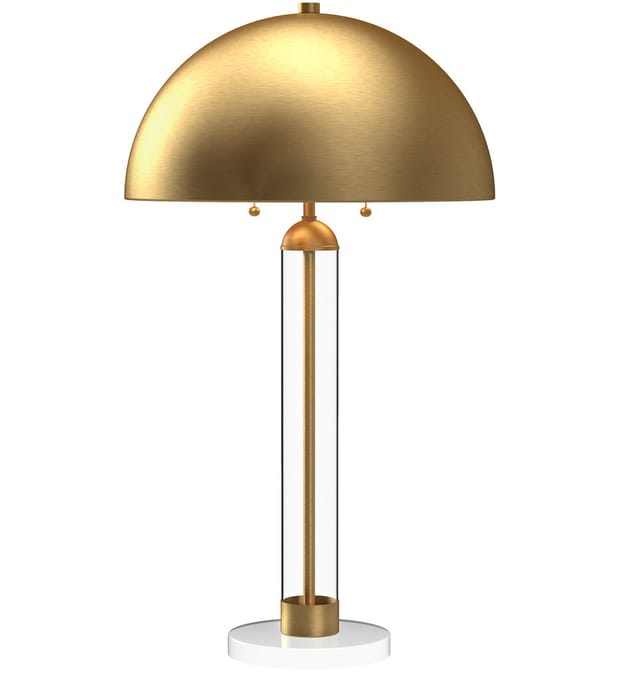
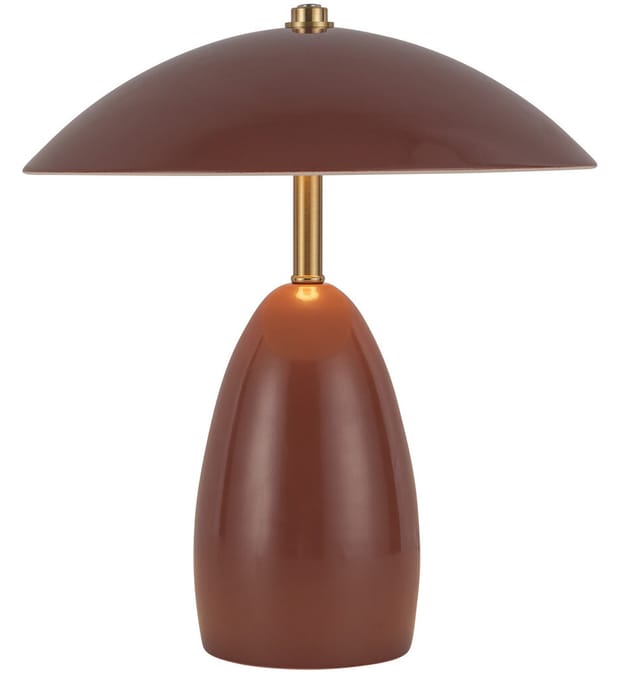
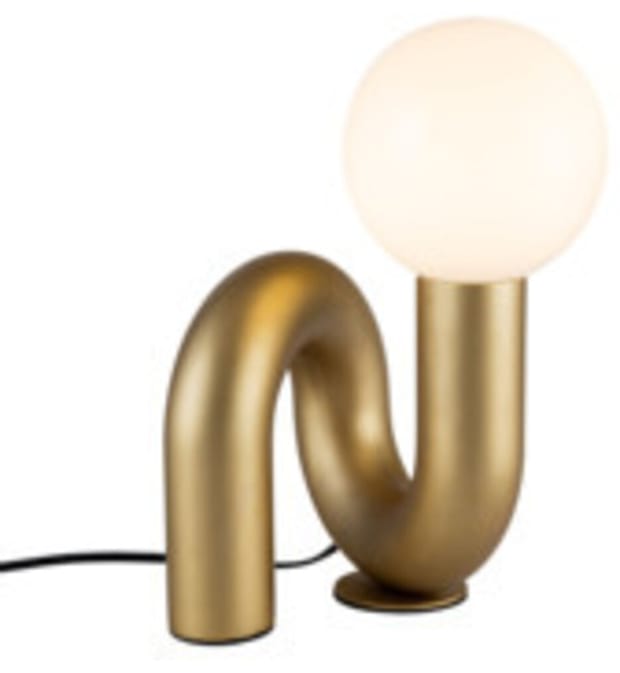
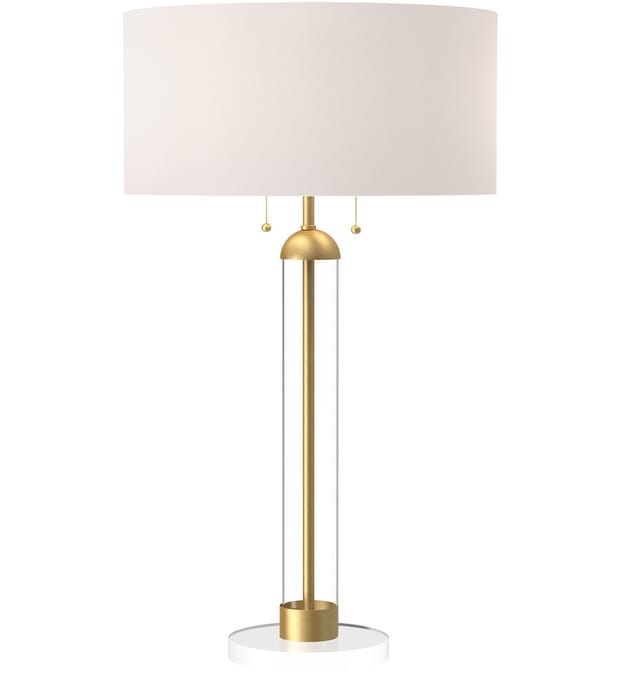
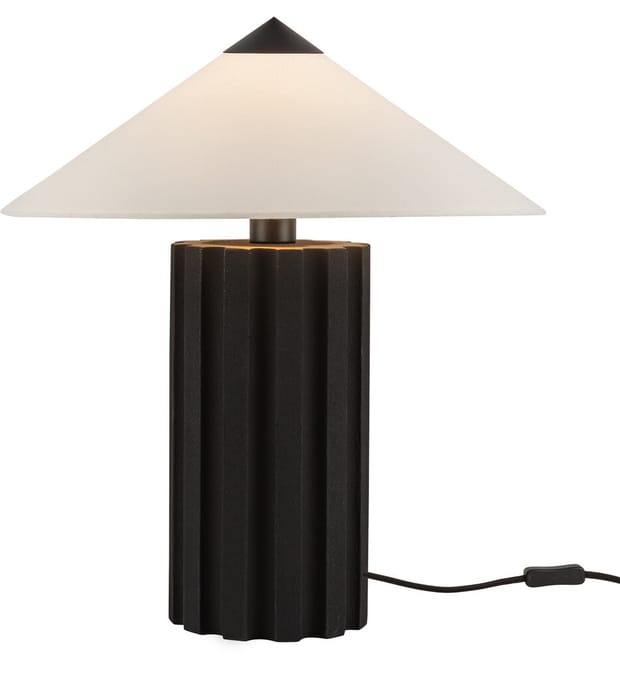
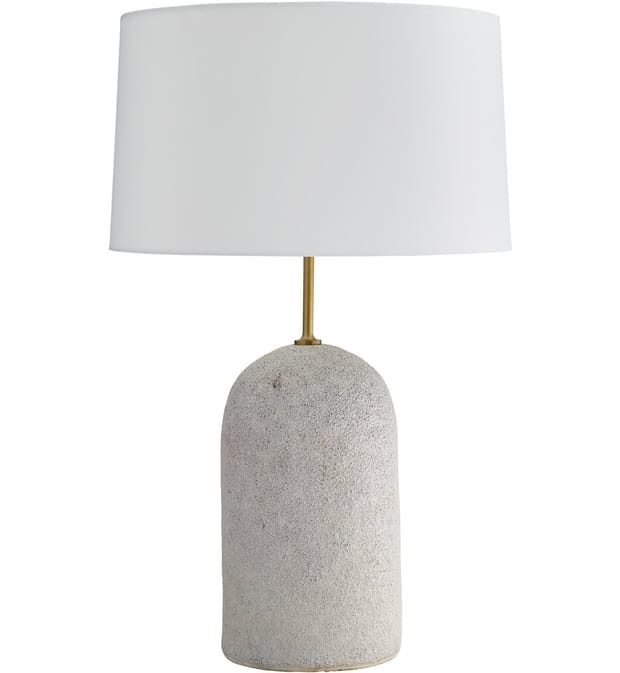
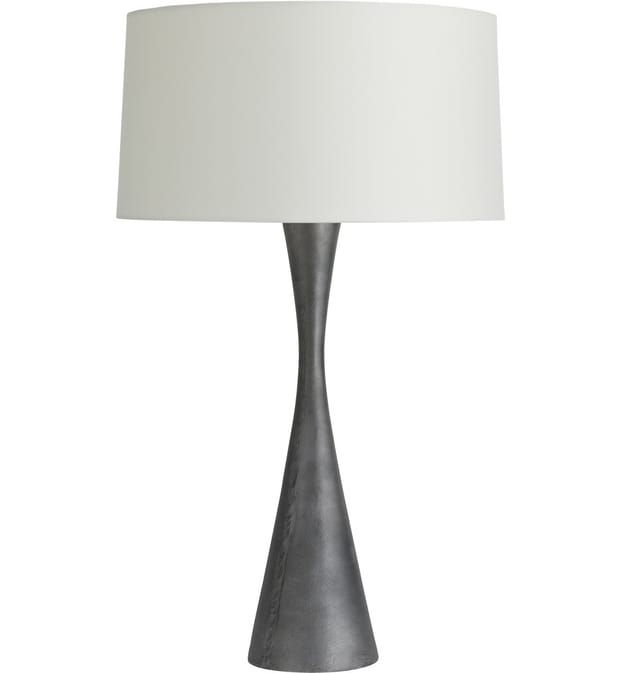
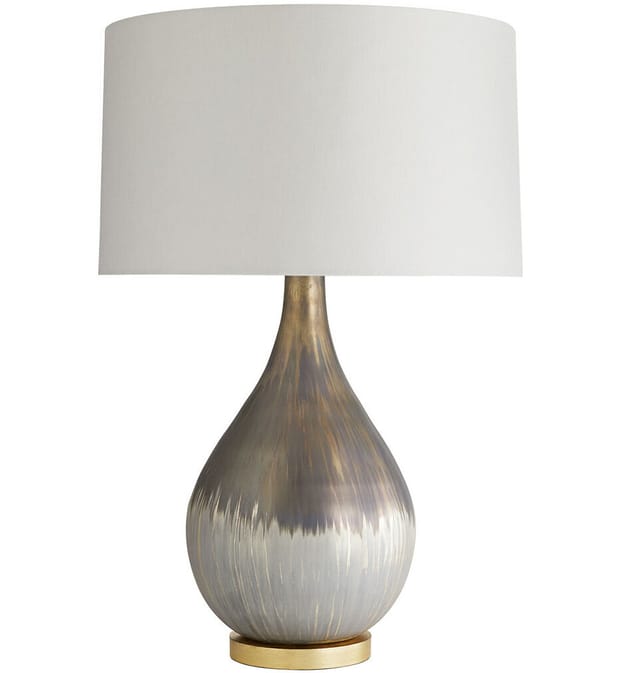
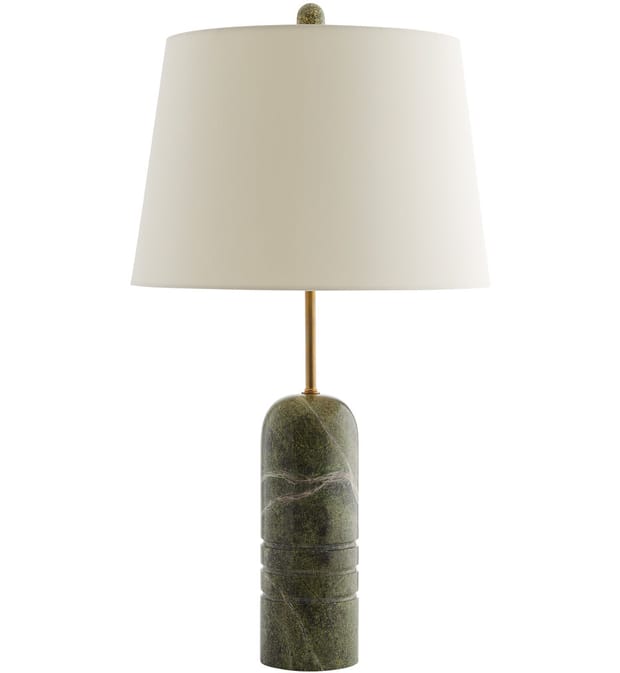
- Table lamps The workhorse of living rooms and bedrooms. On a nightstand, end table or console, the right one gives reading light and a warm glow at once.
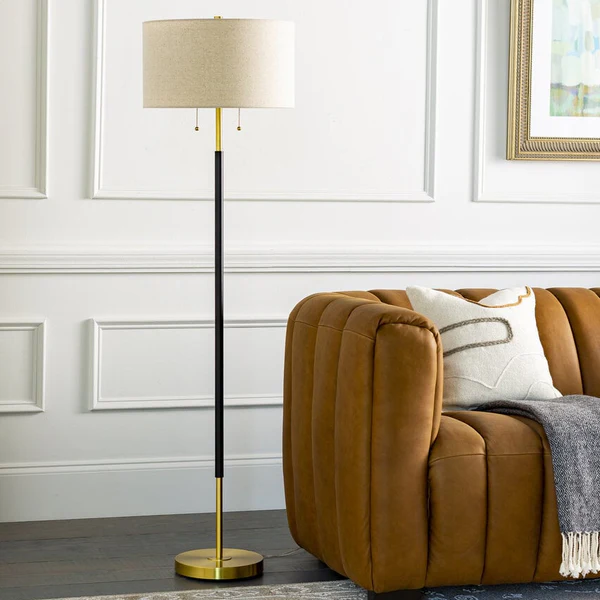
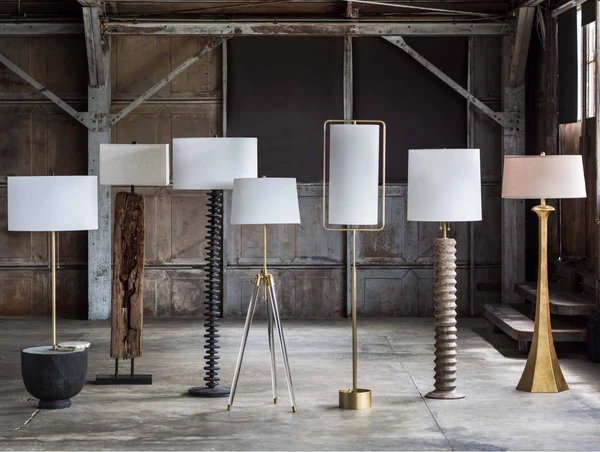
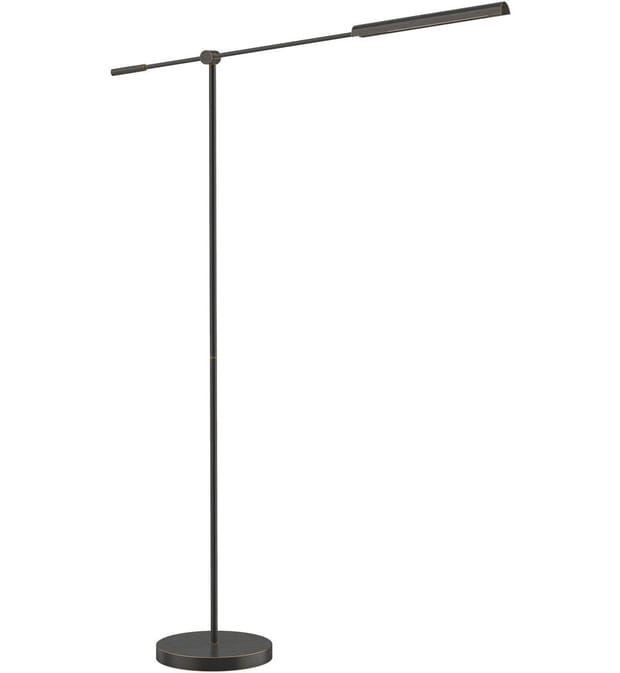
- Floor lamps Light a corner or a chair without a table. Torchieres point light up at the ceiling to brighten the whole room; arc lamps reach over a sofa; swing-arm lamps aim at a book.
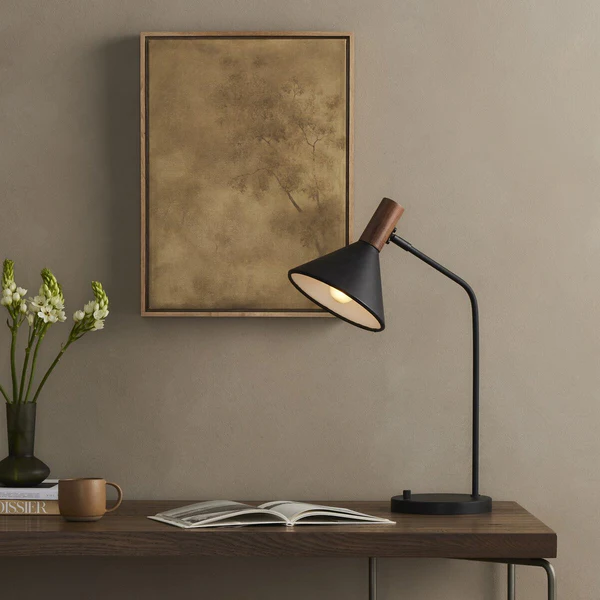
- Desk lamps Task lights with an adjustable arm or head that points light at the work, not at your eyes or your screen.
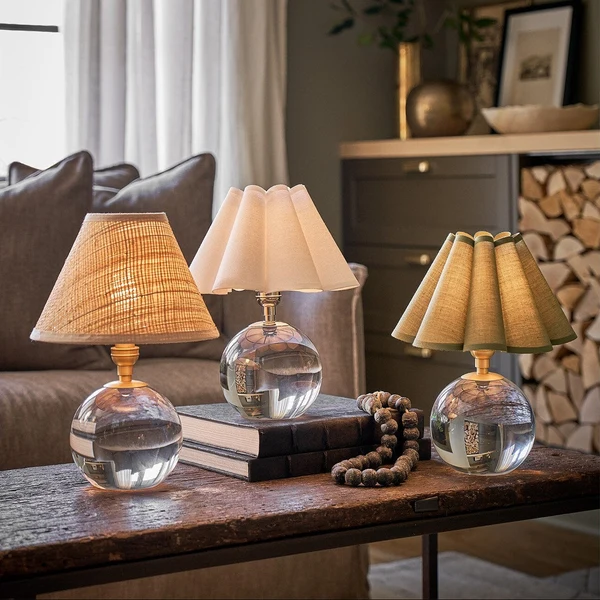
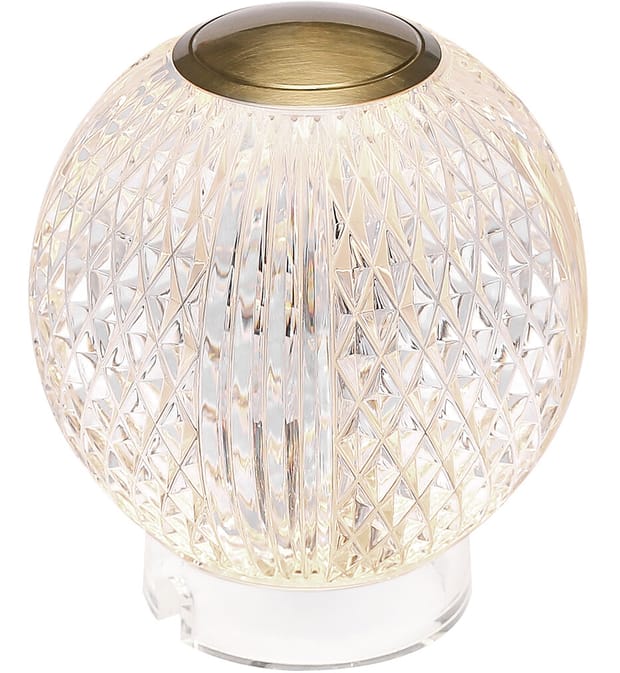
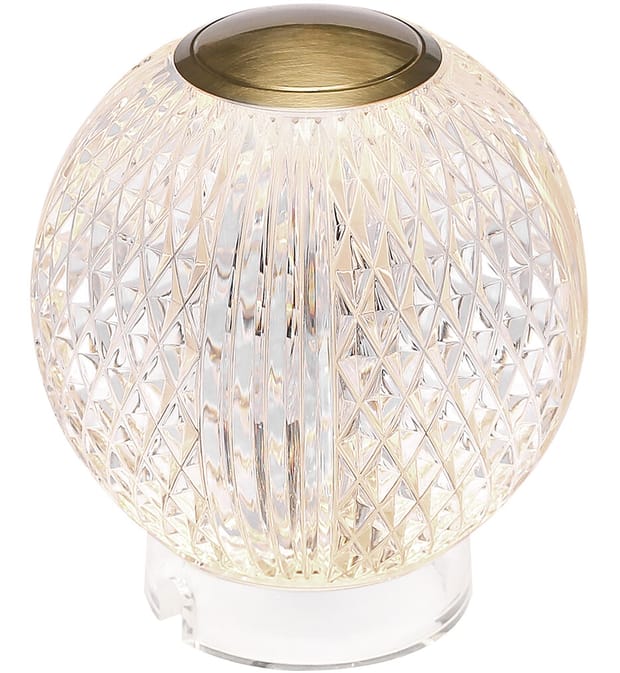
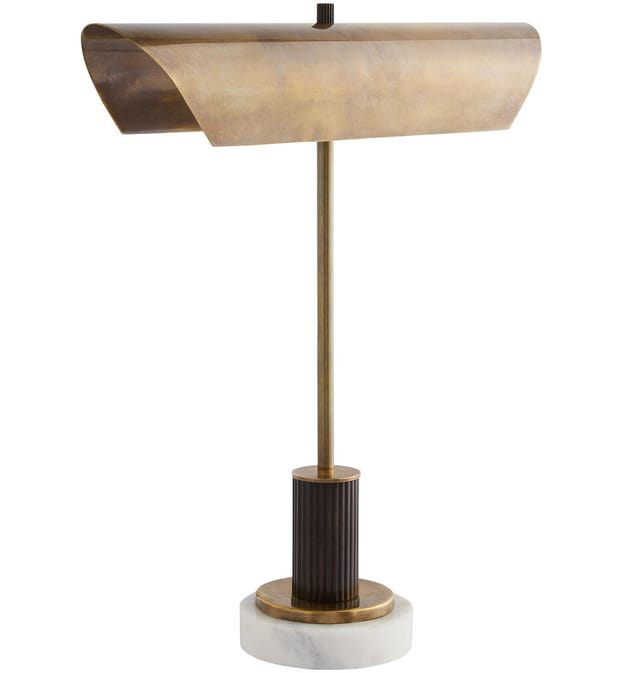
- Accent table lamps Buffet lamps are tall, slim table lamps for sideboards and consoles. Accent lamps, including Tiffany-style and piano lamps, are smaller and add a pool of light and some character to shelves, small tables and entryways.
How to choose a lamp
- Height Beside a sofa, the shade bottom should sit near seated eye level, about 40" to 42" up. Beside a bed, aim for about chin level when you sit up, roughly 44" to 48" from the floor. The chart below lists typical heights.
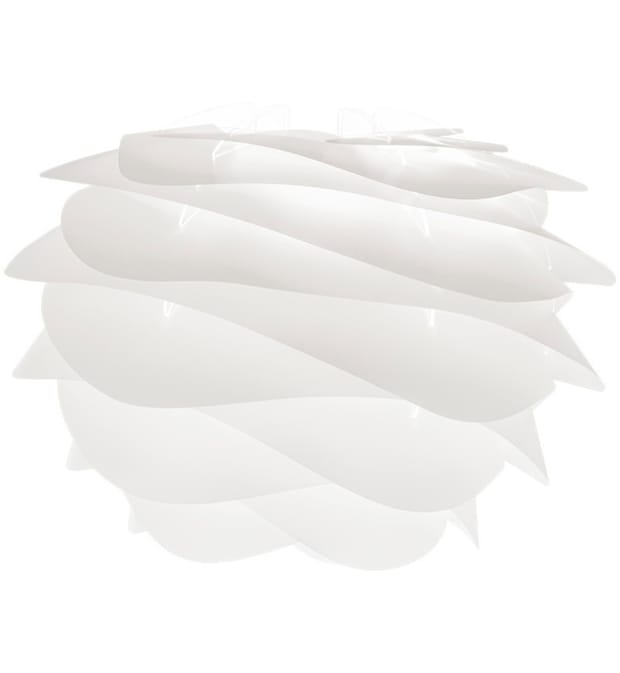
- Shade A light linen or paper shade glows and fills the room. A dark or opaque shade throws light up and down and keeps the glow low.
- Brightness For reading, about 800 lumens, roughly what a 60-watt bulb gave off. Ambient light needs less.
- Light color 2700K reads warm, 3000K soft white, 4000K crisp and good for focused work.
- Control Three-way switches and dimmers take one lamp from reading light to a low evening glow.
- By room A lamp at each end of the sofa, matching pairs on nightstands, a desk lamp plus a floor lamp in the office.
Lamp size chart
| Lamp | Typical height | Where it works |
|---|---|---|
| Table lamp | 24" to 30" | End tables, nightstands, consoles |
| Buffet lamp | 30" to 36", slim shade | Sideboards and consoles |
| Desk lamp | 15" to 22", adjustable | Desks and work surfaces |
| Accent lamp | Under 20" | Shelves, small tables |
| Floor lamp | 58" to 64" | Beside sofas and chairs, corners |
| Arc floor lamp | About 70" to 80" at the top of the arc | Reaching over a sofa or coffee table |
Lamp specs explained
- Socket Many lamps take a standard E26 bulb. Smaller lamps may take a candelabra E12 bulb.
- Max wattage Stay at or under the wattage on the lamp's label. A typical LED that replaces a 60-watt bulb uses about 8 to 10 watts.
- Three-way switch Low, medium and high light; needs a three-way bulb.
- Dimmer Needs a dimmable LED bulb, or it may flicker.
- Cordless Rechargeable lamps go where there's no outlet: dining tables, patios, shelves.
- Shade fit The shade should cover the socket and harp (the wire frame that holds the shade) so you don't see the bulb from a seat.
Lamp questions
How many lamps should a living room have?
Most living rooms need at least three light sources, spread around the room at different heights. A good starting point is a table lamp at each end of the sofa and a floor lamp by a reading chair or in a dark corner, plus the overhead light.
If the room still feels dim in the evening, add light where you sit rather than a brighter ceiling fixture.
How tall should a table lamp be?
Most table lamps work between 24" and 30" tall. What matters more is where the shade ends up. Beside a sofa or chair, the bottom of the shade should sit near your eye level when you're seated, about 40" to 42" from the floor. Beside a bed, aim for about chin level when you sit up, roughly 44" to 48" from the floor. That hides the bulb and puts the light on your book, not in your eyes.
What size lamp for a nightstand?
Add the nightstand's height to the lamp's. For a 24" to 28" nightstand, a total of about 52" to 58" to the top of the shade puts the bottom of the shade near your chin when you sit up in bed, about 44" to 48" from the floor. Keep the shade narrower than the nightstand so it doesn't hang over the edge, and use matching lamps on both sides for a balanced room.
Mattresses vary, so sit up in bed, measure from the floor to your chin, and look for a shade bottom close to that.
Where should a floor lamp go?
Beside a reading chair, at the end of a sofa or in the darkest corner of the room. For reading, place it slightly behind your shoulder on the side opposite your writing hand. An arc lamp can stand behind a sofa and reach over it, so you get overhead light without wiring a ceiling fixture.
Can I use an LED bulb in any lamp?
Usually, but check three things first. Match the bulb base, stay at or under the wattage on the lamp's label, and if a shade or glass encloses the bulb, use an LED rated for enclosed fixtures. Choose a dimmable LED if the lamp has a dimmer, and a three-way LED for a three-way socket.
What color light is best for a lamp?
For living rooms and bedrooms, 2700K gives the warm, cozy light most people expect from a lamp. 3000K is a softer white that still feels warm. For a desk or a craft table, 4000K looks crisp and makes detail easier to see.
